The Cradle

Dusseldorf
The Cradle

structural engineering, facade design  Services

HPP Architekten GmbH  Architect

Circular pilot project in timber hybrid construction with an innovative component plug-in connection

Project

In 2023, Düsseldorf's first timber hybrid office building was completed in the Medienhafen district. The Cradle, a pilot project rigorously optimized for circularity and based on Cradle-to-Cradle principles, introduced a new dimension of holistic planning through interdisciplinary collaboration. For the first time, an innovative plug-in connection for components was used in the design of this material-hybrid building, which can be disassembled into pure material types. Additionally, integral cross-trade planning (BIM) was seamlessly linked with Cradle-to-Cradle principles.

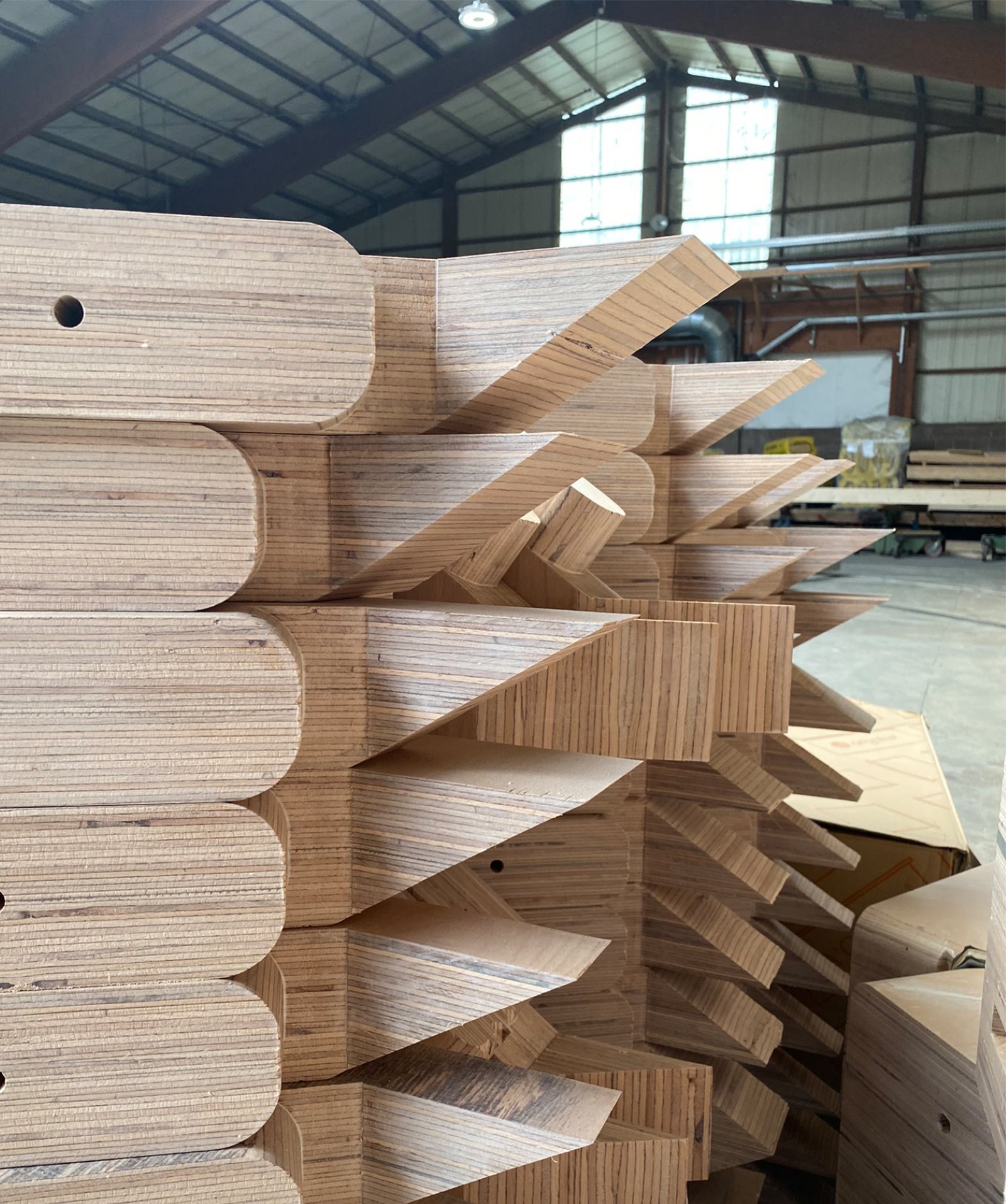
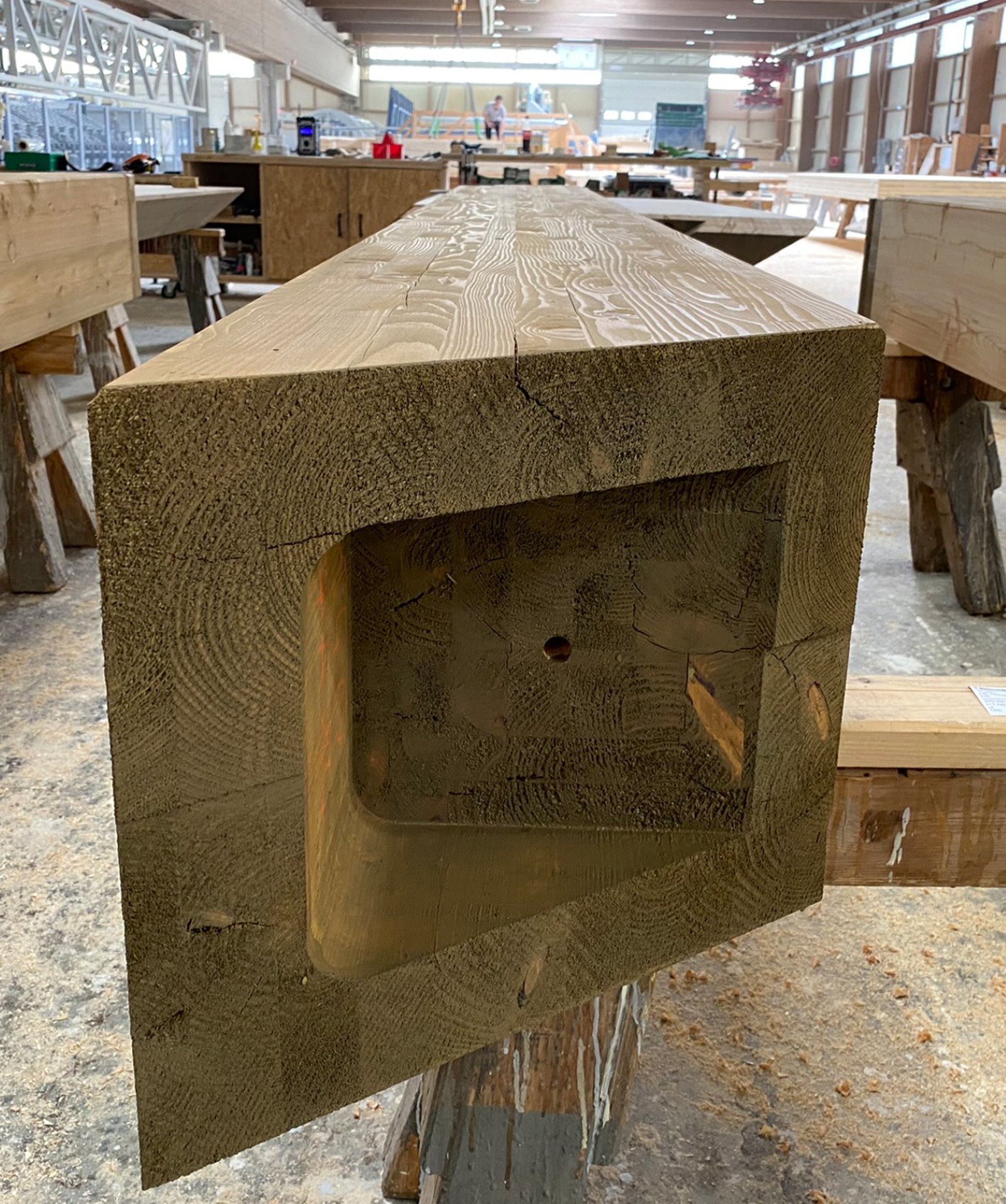
The reversible load-bearing structure with glue- and screw-free plug-in connectors enables seamless reuse of the components.

Structure
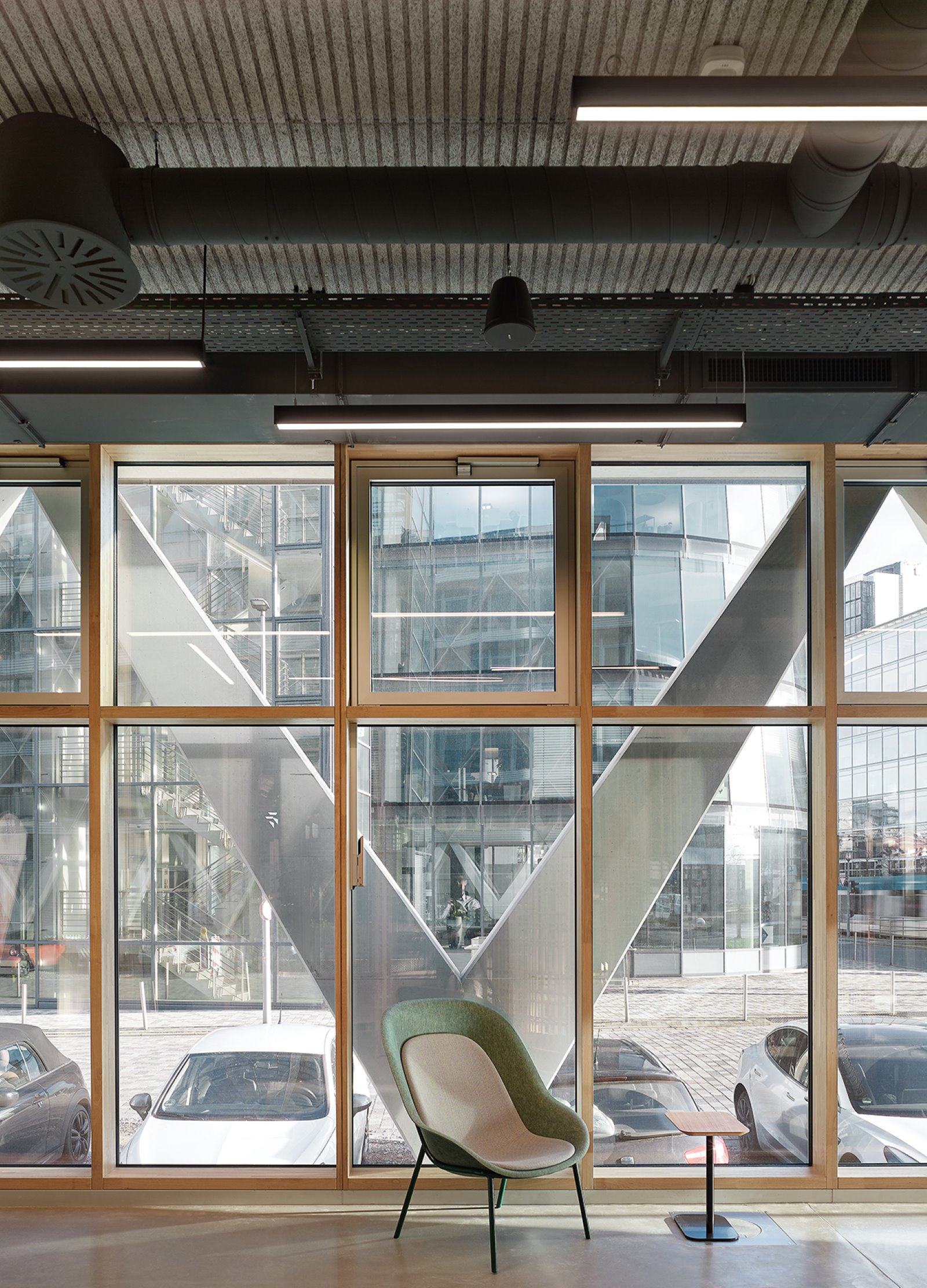
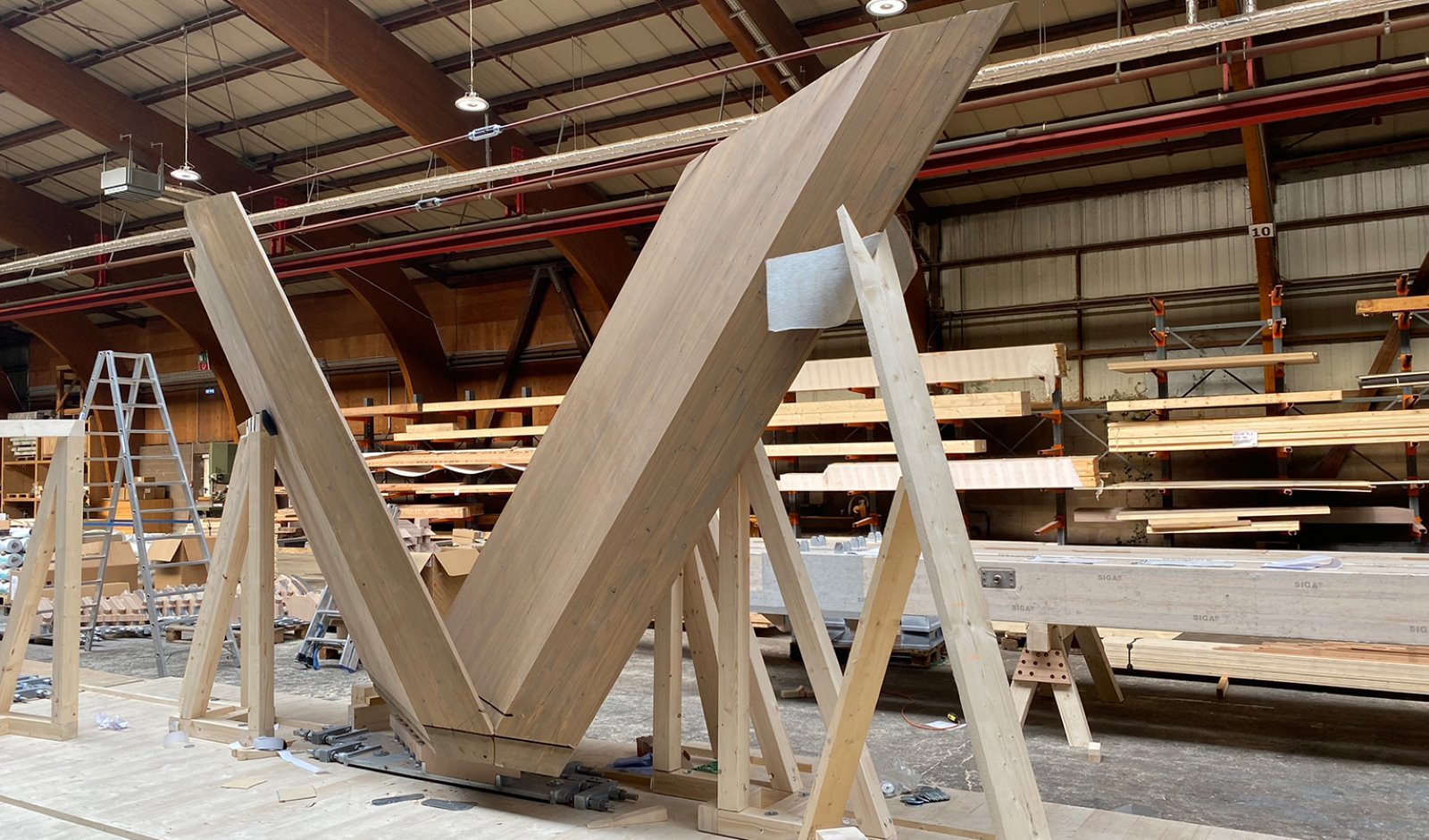
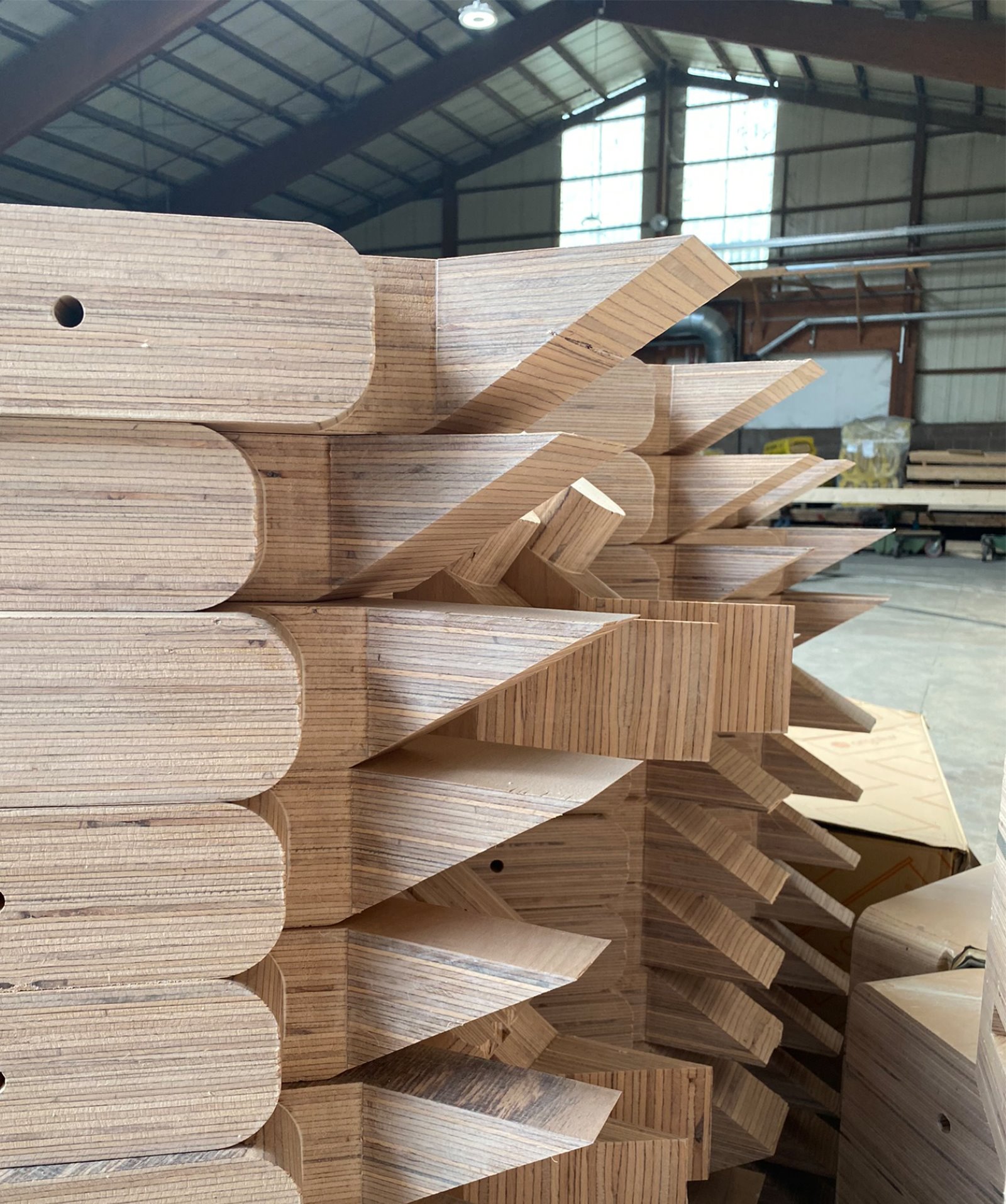
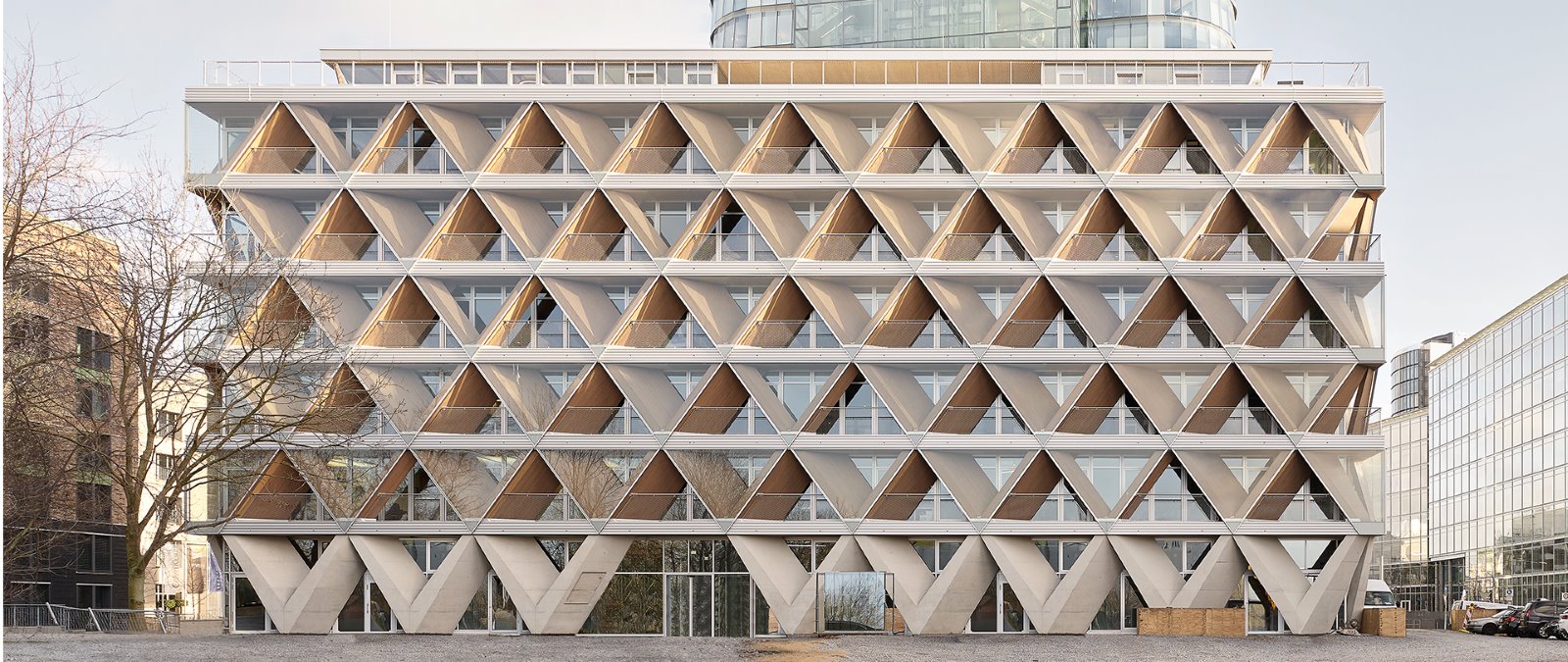
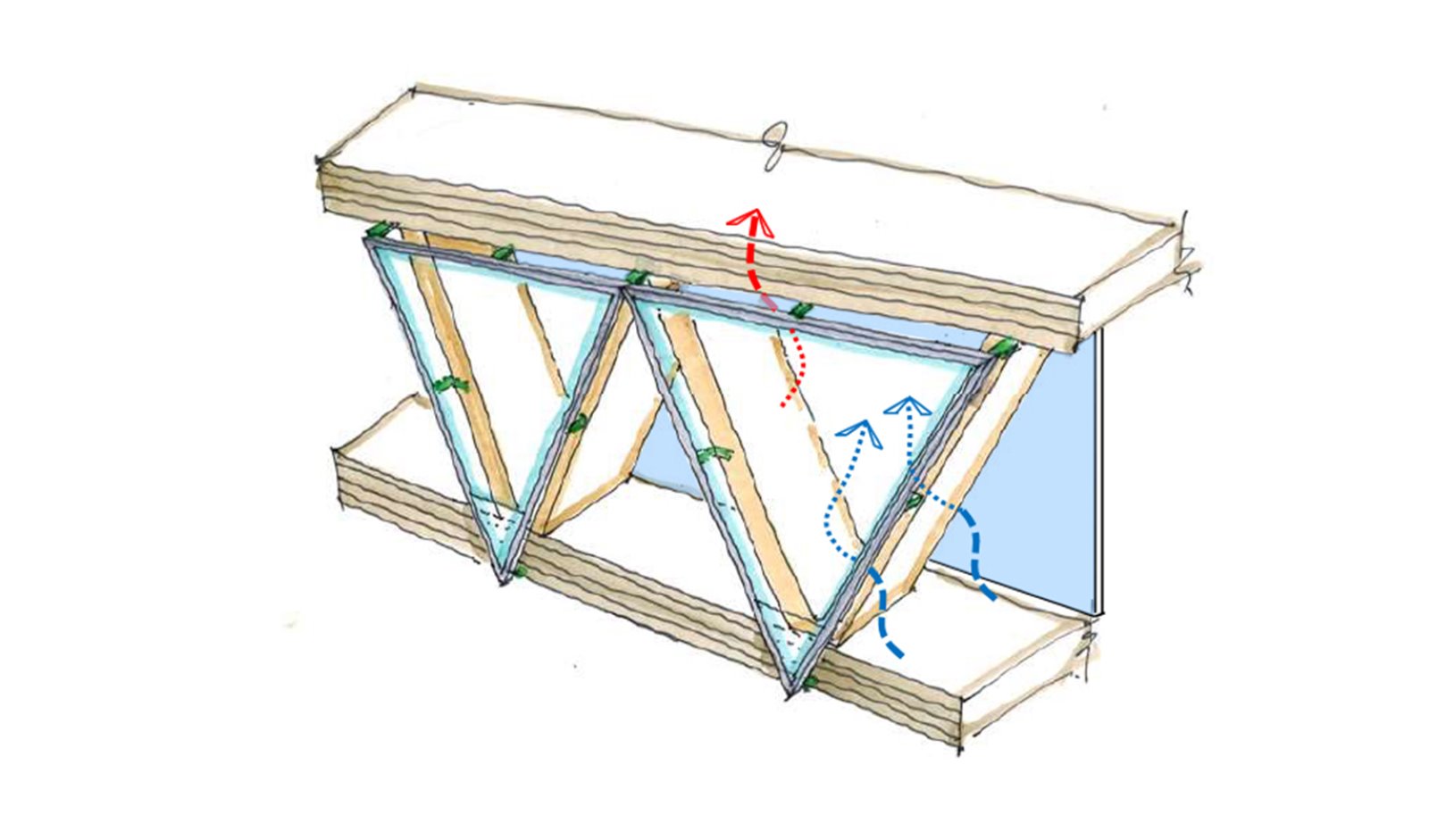
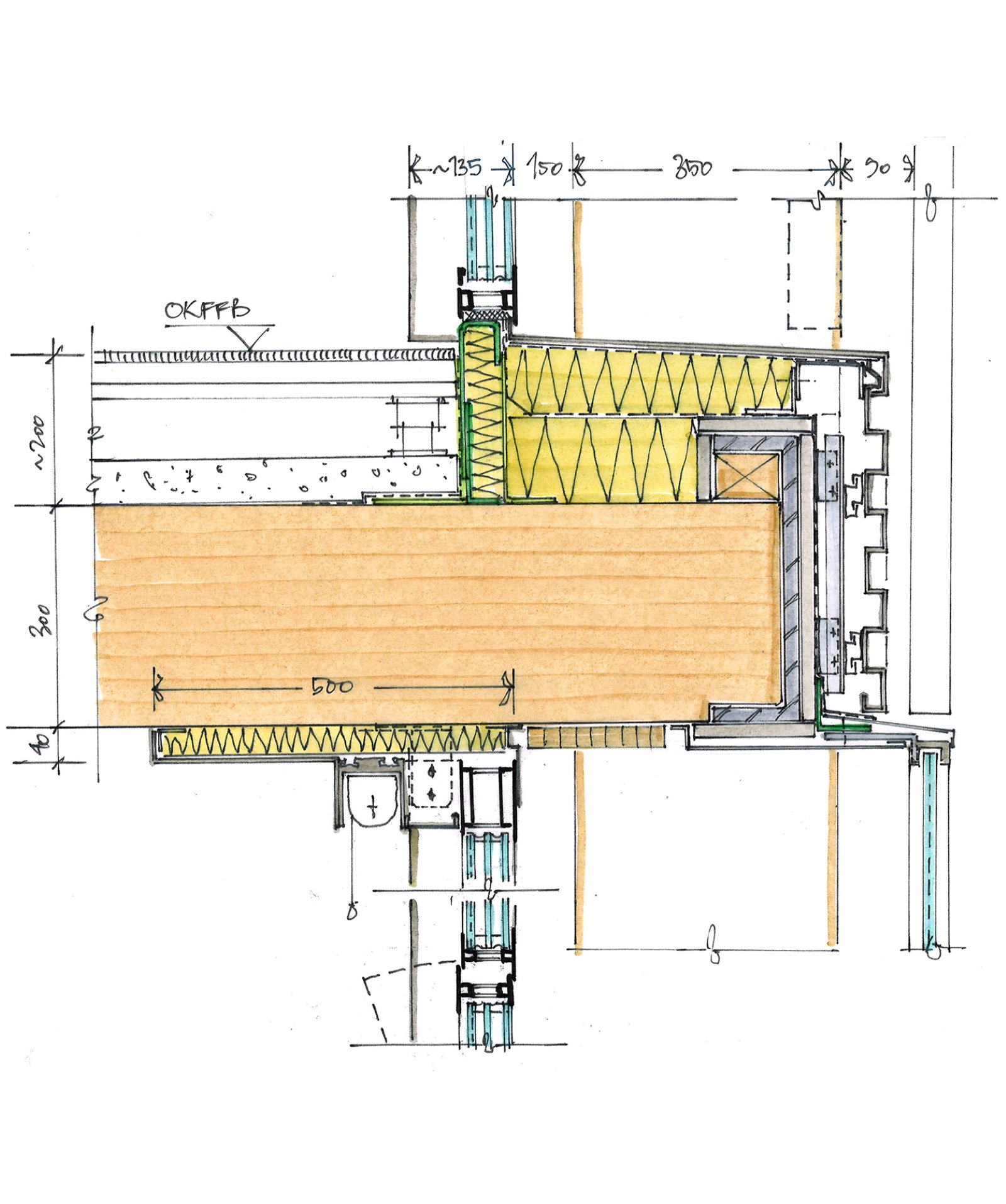
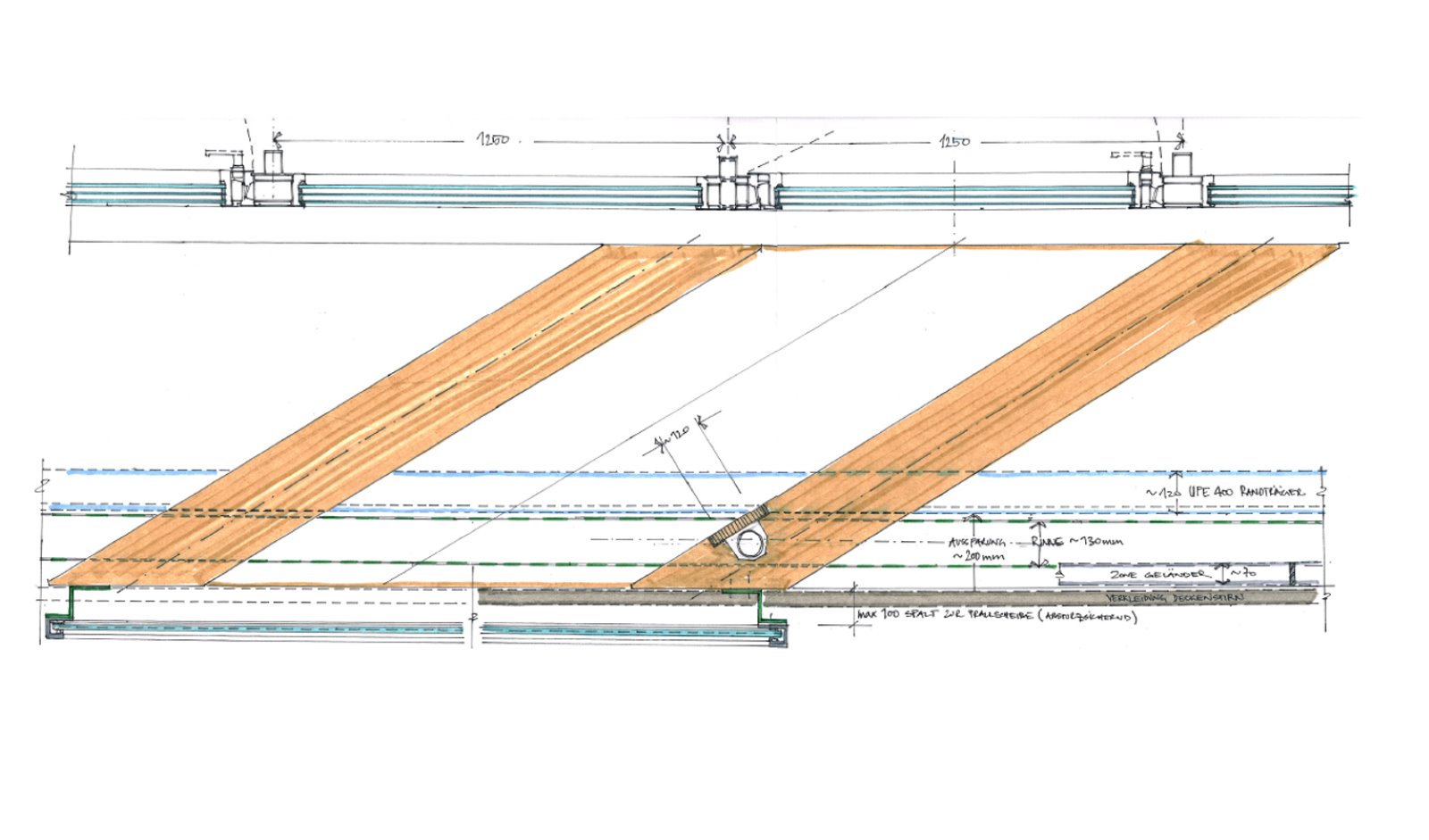
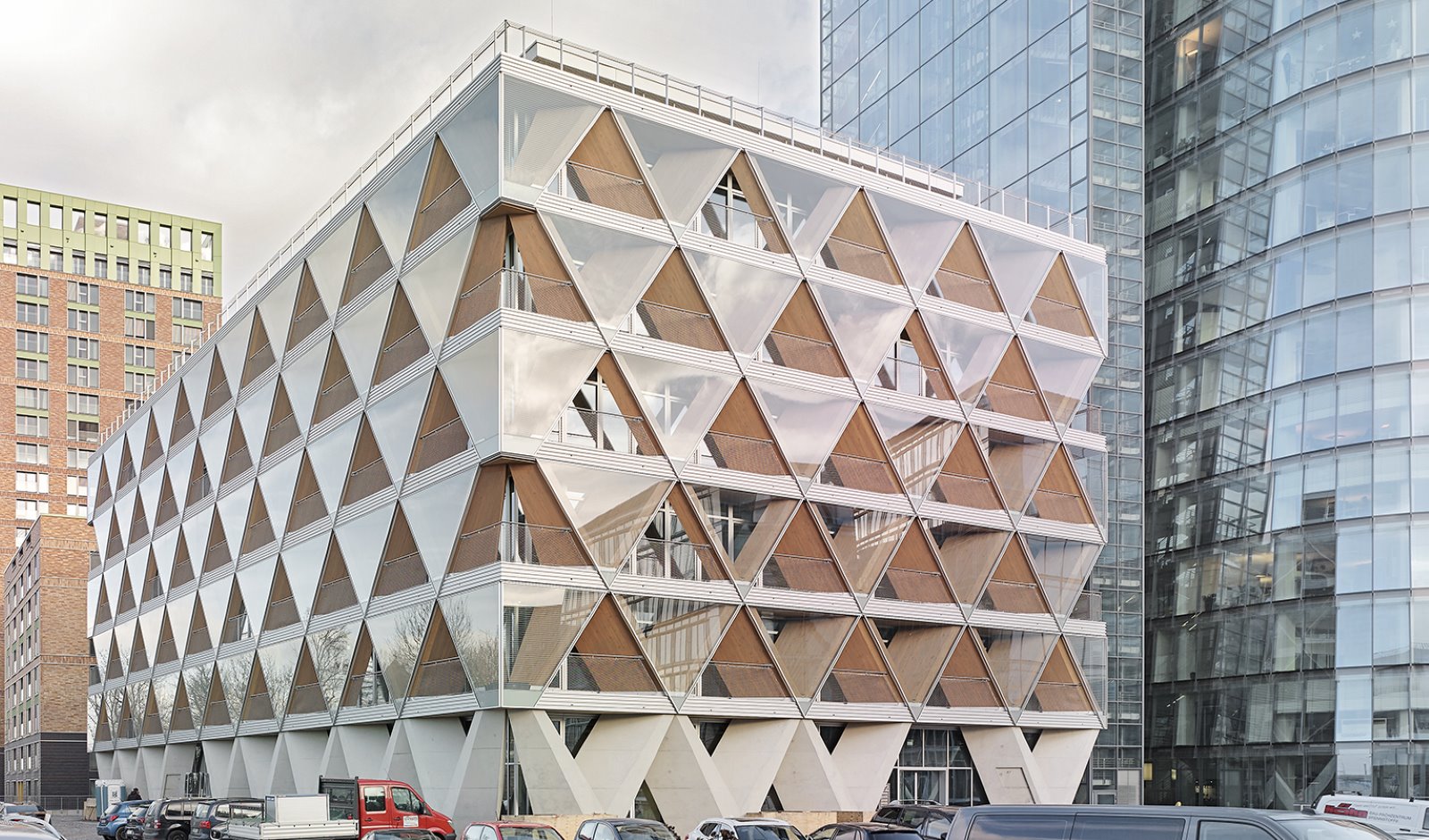
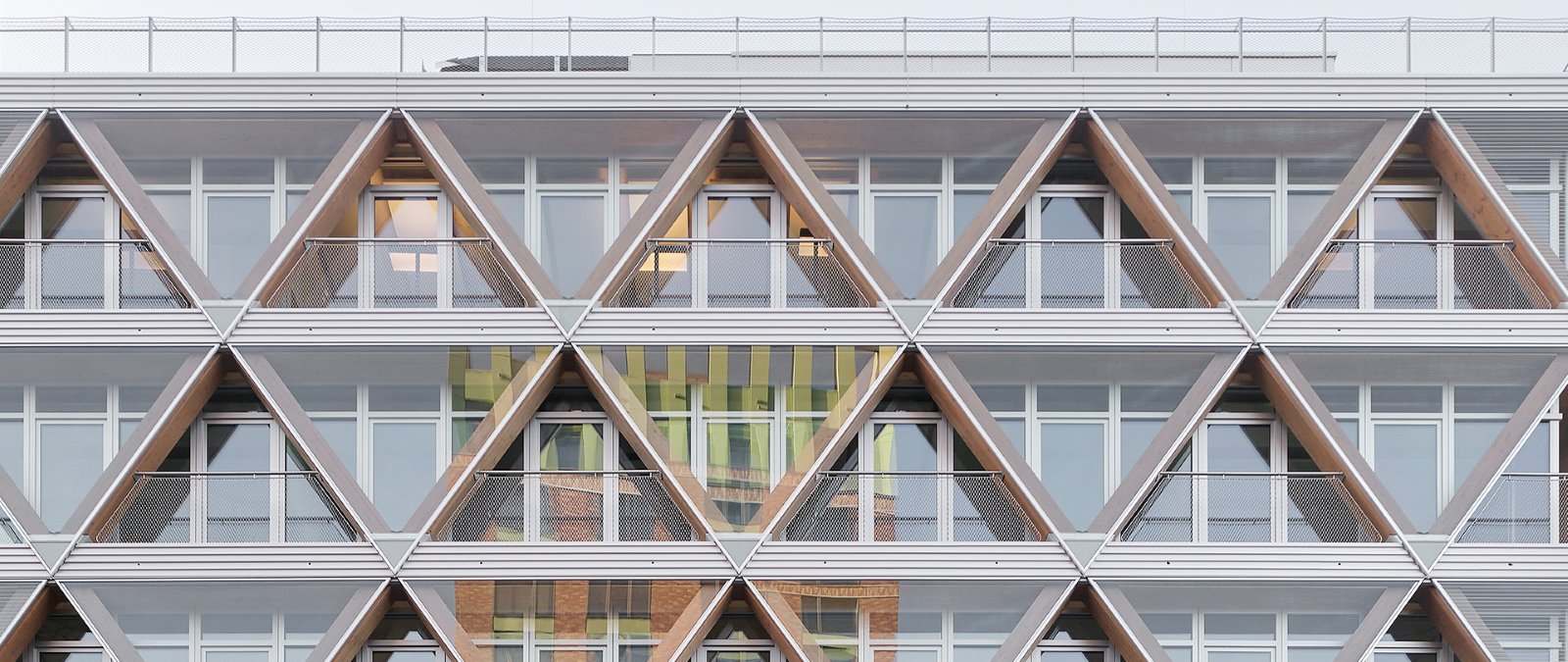
The timber hybrid building, with a footprint of 26 x 48 meters and a height of 22 meters, consists of three basement levels and a ground floor made of in-situ concrete. The five upper floors and the recessed penthouse level are constructed using timber. The distinctive V-shaped columns in the façade planes serve as both part of the primary load-bearing structure and an integral façade element. They transfer vertical and horizontal forces and, together with the reinforced concrete cores, provide the structural stability of the building, which must meet high requirements in Earthquake Zone 1. At the connection points of the façade columns, BauBuche brackets are mounted onto the plug-in connections of the edge beams. The milling of the brackets and their matching counterparts at the ends of the façade columns were produced using CNC control.

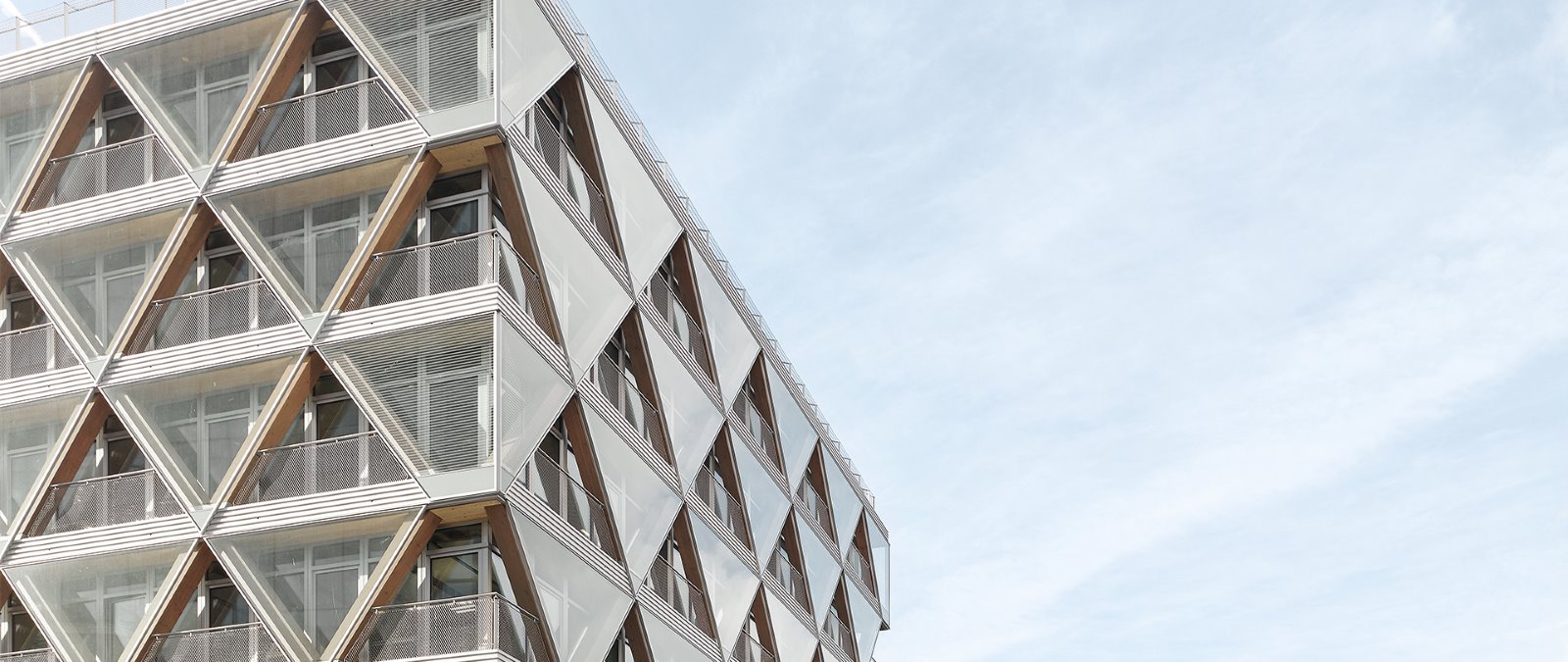
The multifunctional diamond-shaped structure combines the load-bearing system and façade while adapting to its surroundings.

Facade
The multifunctional V-shaped columns in the façade planes integrate the load-bearing structure and façade and were parametrically designed based on the site conditions. They also serve as sunshades, oriented according to the angle of solar radiation. On the south and west façades, 1.92-meter-deep and 24-centimeter-wide timber elements provide deeper shading, while square columns on the north and east façades allow for greater light penetration. On the south and west sides, two loggias per floor are accessible, requiring the V-shaped columns in these areas to be slimmer and therefore non-load-bearing. The glass building envelope consists of inner triple-pane insulating glass. To ensure effective wood protection, impact panes are installed as a second façade layer in front of each column.

To ensure simple planning and facilitate reuse (post-use), the BIM model was utilized as a material database, enabling the creation of a material passport.

Cradle to Cradle and BIM
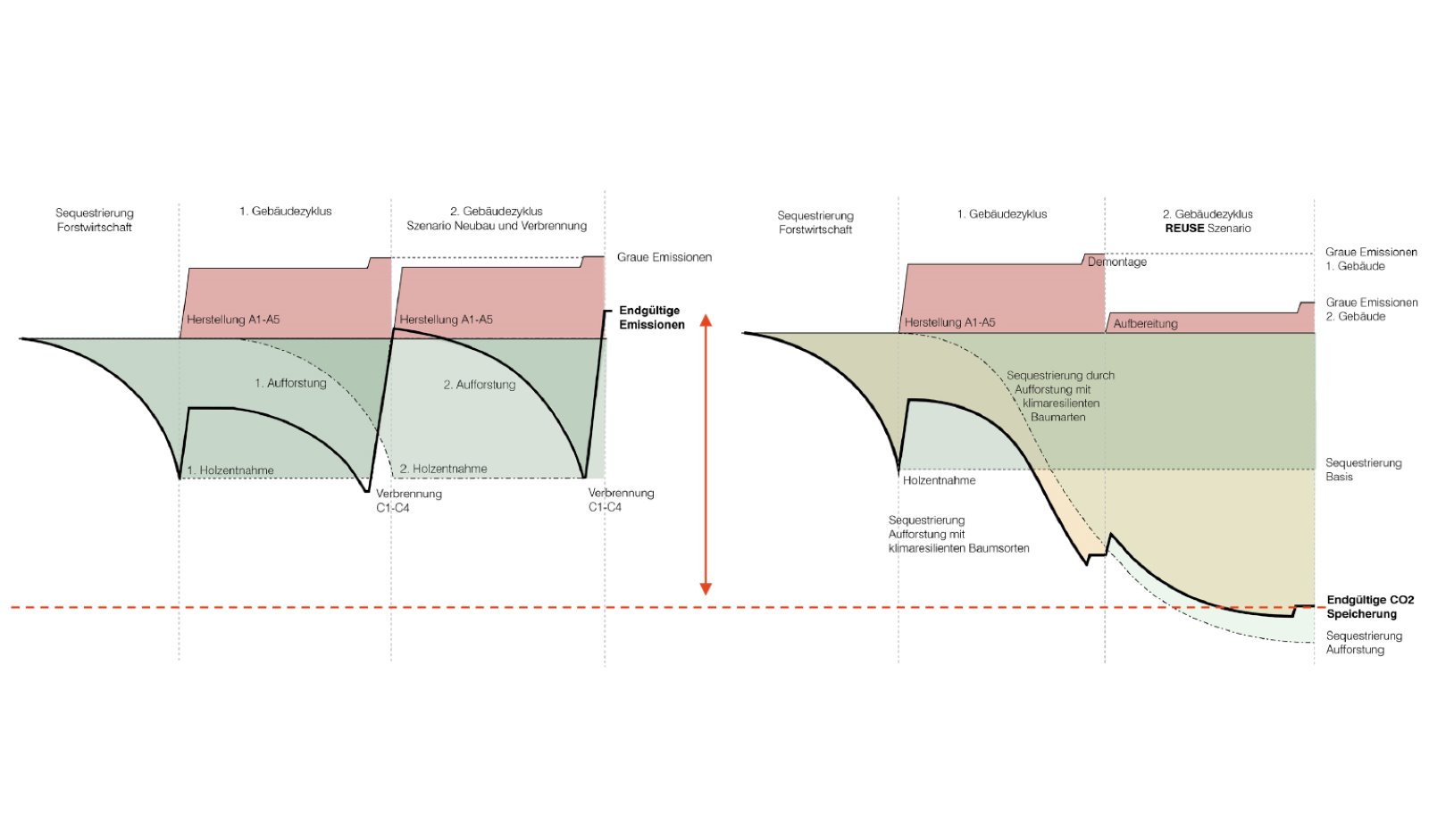
The name “The Cradle” is derived from the circular Cradle to Cradle (C2C) principle. The criteria outlined in the C2C action catalog, including material purity, separability, and material health, were already taken into account during material selection. In the structural framework, these requirements were primarily met through timber components designed according to the “Design for Disassembly” principle, allowing them to be easily assembled and disassembled using only plugs and screws, thus enabling pure material recovery. The glued laminated timber and cross-laminated timber elements used in the structure will be returned to the manufacturer at the end of their lifecycle. To ensure efficient planning and facilitate reuse (post-use), the BIM model was employed as a material database, enabling the creation of a material passport. The material data was recorded in a material register (Madaster), and the residual value of the building was monetized. As a result, the building not only serves as an office with a forward-looking utilization concept but also functions as a future raw material repository.

Project data

Client Projektentwicklungsgesellschaft Speditionstraße mbH & Co.KG

Architect HPP Architekten GmbH

Collaborators Design-to-production, Derix-Gruppe, SJB Kempter

Finalization 09/2023

Project data Gross floor area 12.000 m²
Usable area 10.864 m²
Gross cubic capacity 41.478 m³
Span 8 m
Facade surface 3.700 m²

Services structural engineering, facade design

Awards Holzbaupreis NRW 2024, MIPIM/The Architectural Review Future Project Award 2018, ICONIC AWARD: Innovative Architecture 2018, Sonderpreis BIM Heinze ArchitektenAWARD 2020